Aesthetic medicine's historical focus on lighter skin types is a documented clinical and cultural phenomenon. From clinical trial enrollment that disproportionately excluded patients with Fitzpatrick Types IV–VI, to device development optimized for light skin, to training programs that provided limited education in treating melanin-rich skin, the industry built an infrastructure that served a portion of the population significantly better than others. The industry is beginning to reckon with this gap, driven by demographic shifts, advocacy from practitioners and patients of color, and the business reality that the fastest-growing demographics in the U.S. are precisely those who have been underserved.
The Clinical Evidence Gap
A systematic review of tattoo removal clinical literature reveals a stark pattern: the majority of studies have predominantly or exclusively enrolled patients with Fitzpatrick Types I–III. Efficacy data, session count estimates, and complication rates derived from these studies are not fully generalizable to patients with Types IV–VI. This evidence gap has practical consequences — practitioners working with darker skin types are often extrapolating from limited data, adjusting parameters based on experience and case reports rather than robust clinical trial evidence. The FDA clearance pathway for laser devices does not require demonstration of efficacy and safety across the full skin type spectrum, and device manufacturers have historically not been required to generate this data.
Device Innovation for Darker Skin
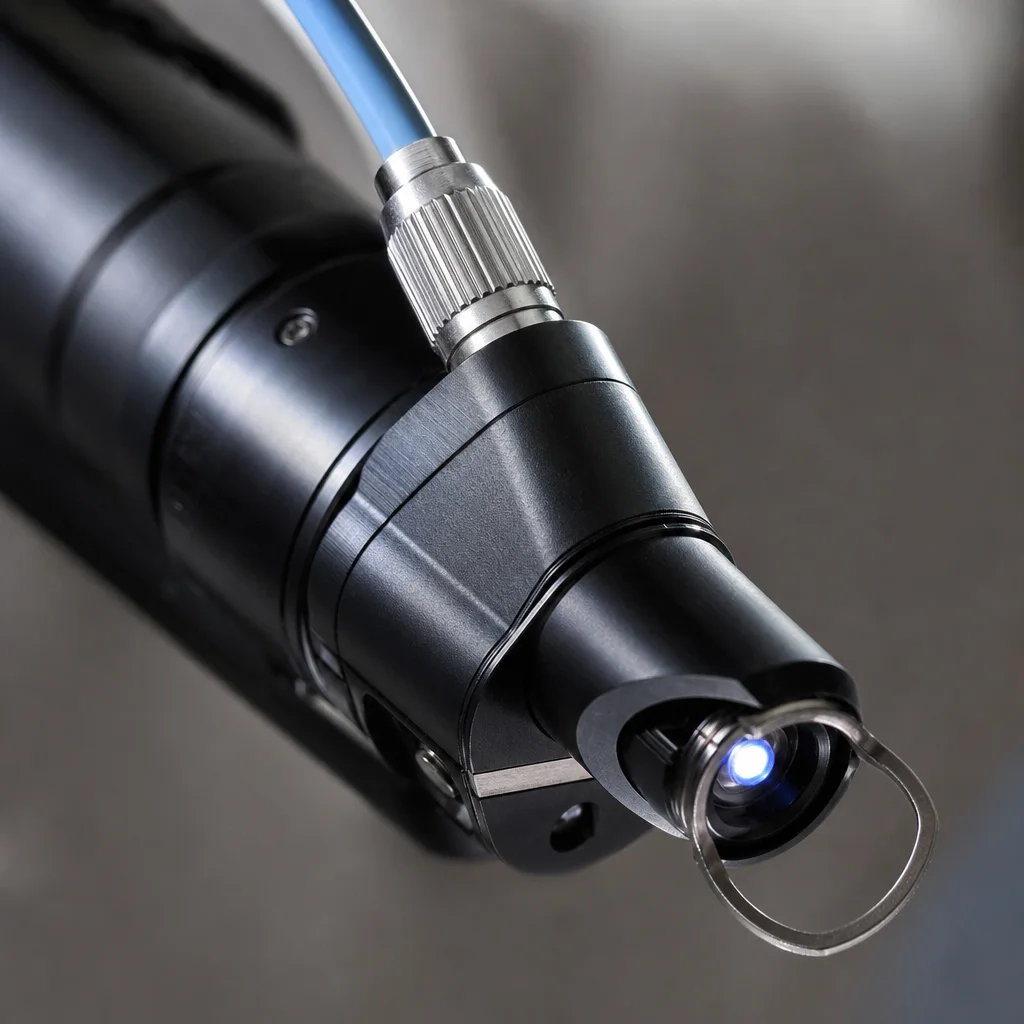
The good news from the technology side is that recent device development has explicitly addressed the darker skin challenge. Longer wavelength devices, improved cooling systems, and the shift to picosecond technology have all improved the therapeutic ratio for melanin-rich skin. Some manufacturers have begun including Fitzpatrick V–VI patients in device clinical validation studies, and publications focused specifically on tattoo removal outcomes in darker skin types have increased in the dermatology literature over the past five years.
Practitioner Education and Representation
Structural diversity issues in medical education are reflected in aesthetic medicine — physicians and practitioners from underrepresented minority backgrounds are proportionally underrepresented in dermatology and aesthetic specialties. Practitioner diversity matters for patient access, trust, and the clinical competency that comes from personal experience with one's own skin type. Professional organizations including the Skin of Color Society have worked to develop specific educational resources for treating patients with higher Fitzpatrick types, and laser training programs are increasingly required to include skin-of-color specific training.
The Business Case for Inclusion
The business case for investing in the capability to treat all skin types is straightforward: the U.S. Hispanic, African American, South Asian, and East Asian populations represent collectively the majority of population growth and a rapidly expanding consumer base for aesthetic services. Practices that develop genuine expertise in treating darker skin types — through appropriate device investment, practitioner training, and clinical protocol development — access a market that many competitors have conceded by default. The reputational benefits within these communities, where referral networks are strong, also provide significant patient acquisition advantages.