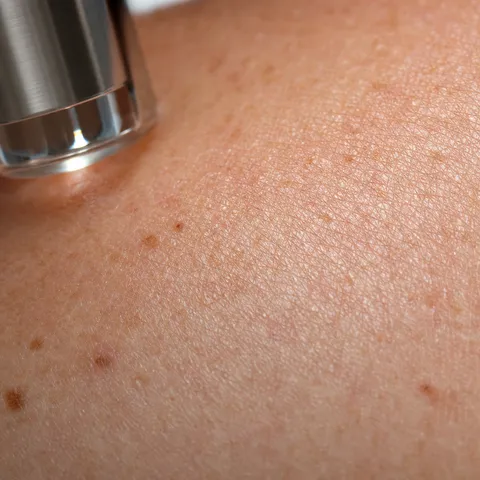
Laser Technology
Picosecond vs. Nanosecond Lasers: A Complete Technical Comparison for Tattoo Removal
The shift from nanosecond Q-switched lasers to picosecond technology represents the most significant advance in tattoo r...
Deep dives into laser physics, new device approvals, and the science behind tattoo removal systems.
15 articles
The shift from nanosecond Q-switched lasers to picosecond technology represents the most significant advance in tattoo r...

From photon absorption to lymphatic clearance, the complete biological and physical mechanism behind laser tattoo remova...
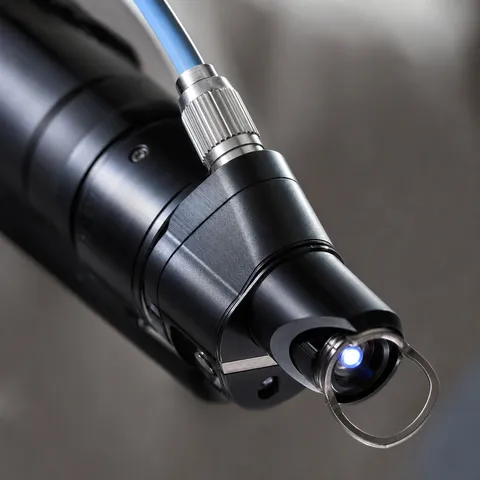
The neodymium-doped yttrium aluminum garnet laser at 1064 nanometers has been central to tattoo removal for three decade...

Green ink has frustrated tattoo removal practitioners for decades. The alexandrite wavelength is why modern picosecond p...

Matching laser wavelength and pulse technology to your specific ink colors and skin type is the most important technical...

Behind every tattoo removal session are careful decisions about laser energy density and beam diameter. Understanding th...

A treatment approach using multiple laser passes in one session — separated by 20-minute intervals — has shown promise f...
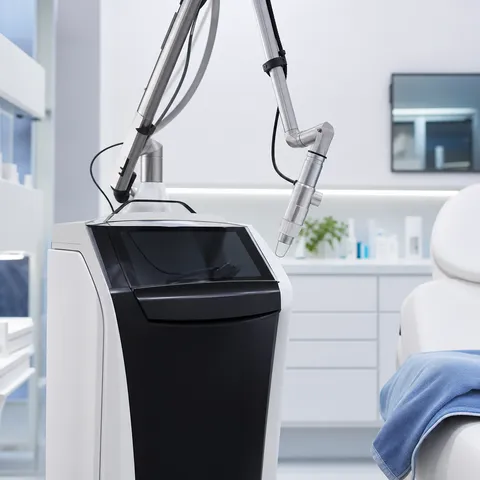
From PicoWay to PicoSure to Enlighten, the competitive landscape for tattoo removal laser systems is crowded. Here's how...

A clear silicone patch containing perfluorodecalin allows multiple laser passes within the same session by eliminating t...
Medical-grade lasers present real safety risks — to patients and to clinic staff — when safety protocols are absent or i...
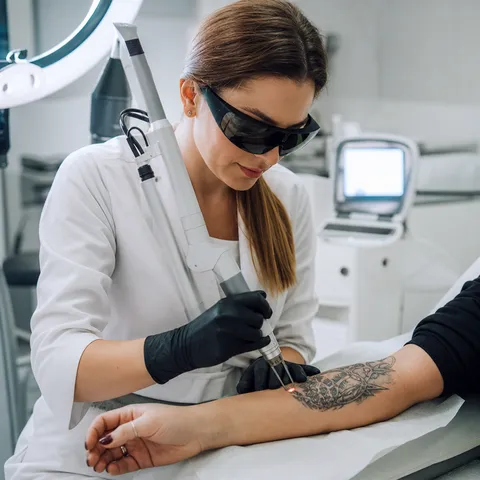
The question of laser tattoo removal during pregnancy involves a combination of practical physiology, limited research d...

The chemical composition of tattoo inks is more complex and less regulated than many people assume — and these differenc...
Research into near-infrared laser interactions with tattoo pigments is revealing new possibilities for difficult-to-trea...
Why does a 500-picosecond laser pulse remove tattoos better than a 5-nanosecond pulse? The answer involves some elegant ...
Both use laser energy on skin, but CO2 resurfacing and Q-switched/picosecond tattoo removal lasers work through entirely...