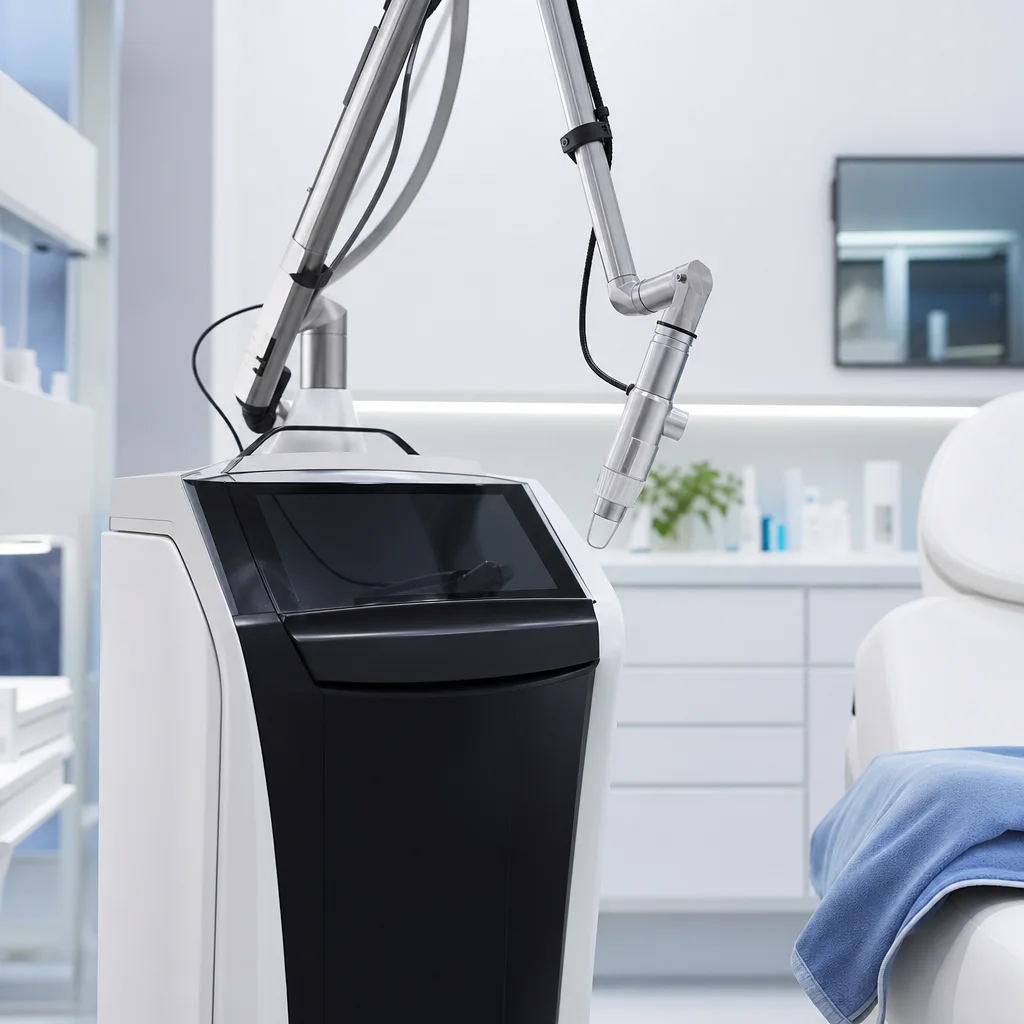
For aesthetic clinic owners, a laser device purchase is among the most significant capital allocation decisions they will make. A premium picosecond tattoo removal system at $200,000–$350,000 represents 2–5 years of a typical small clinic's gross profit. Understanding how to evaluate device ROI — what revenue the device needs to generate to justify the investment, what factors affect that calculus, and how to avoid the most common capital planning errors in the aesthetic device category — is essential for sustainable practice management.
Basic ROI Framework
Device ROI analysis begins with the simple formula: (Gross Revenue Generated by Device — Direct Costs Attributable to Device) / Total Device Investment Cost. In practice, the calculation is more nuanced. Direct device costs include the purchase price or lease cost, annual maintenance contracts (typically 10–15% of purchase price for premium devices), consumables per session (typically modest for laser tattoo removal), practitioner time allocated per session, and room cost allocation. Setting a target payback period (typically 2–4 years for aesthetic devices) allows back-calculation of required session volumes.
At an average revenue of $200 per session and 60% gross margin (accounting for direct costs), each session generates approximately $120 toward device recovery. A $250,000 device requires approximately 2,083 gross margin sessions to break even — at 15 sessions per day, 5 days per week, this represents roughly a 28-week payback period at full capacity, or 18–24 months at a more realistic 50–60% utilization rate.
Utilization Rate: The Critical Variable
Device utilization rate — the percentage of available treatment time during which the device is generating revenue — is the single most important variable in device ROI. Most practice owner projections overestimate utilization in the early months, as patient acquisition takes time and schedule fill-up is not immediate. Realistic utilization ramps from 20–30% in the first 90 days to 60–70% at maturity, with high-performing practices exceeding 80% through aggressive marketing and referral programs. Financing a premium device on an overoptimistic utilization assumption is the most common financial error in aesthetic practice device investment.
Premium vs. Value Device: The Clinical Consideration
The lower initial cost of a value-tier device is tempting but requires careful analysis of what clinical market it accesses. A Q-switched Nd:YAG alone at $50,000 cannot treat resistant ink colors, cannot treat Fitzpatrick V–VI at the same efficacy level as a 1064nm picosecond system, and may produce more treatment sessions for equivalent clearance — affecting both patient satisfaction and the competitive differentiation that supports premium pricing. Practices investing in premium multi-wavelength picosecond systems can treat the full patient and ink color spectrum, charge premium pricing, and differentiate from lower-cost competitors. The higher upfront investment may produce better net economics than the lower-cost alternative if it supports sufficient utilization at premium pricing.
Financing Options and Considerations
Device financing options include equipment loans (owning the device after payment completion, typically 4–7 year terms), capital leases (functionally similar to loans, appear as assets on balance sheet), and operating leases (paying for use without ownership, typically with upgrade provisions at term end). Operating leases offer the advantage of technology upgrade flexibility — important in the rapidly evolving laser market — at the cost of never building equity in the asset. Revenue-sharing agreements with device manufacturers or distributors are sometimes available for practices with high projected volumes. Each structure has tax implications that should be discussed with an accountant before committing.