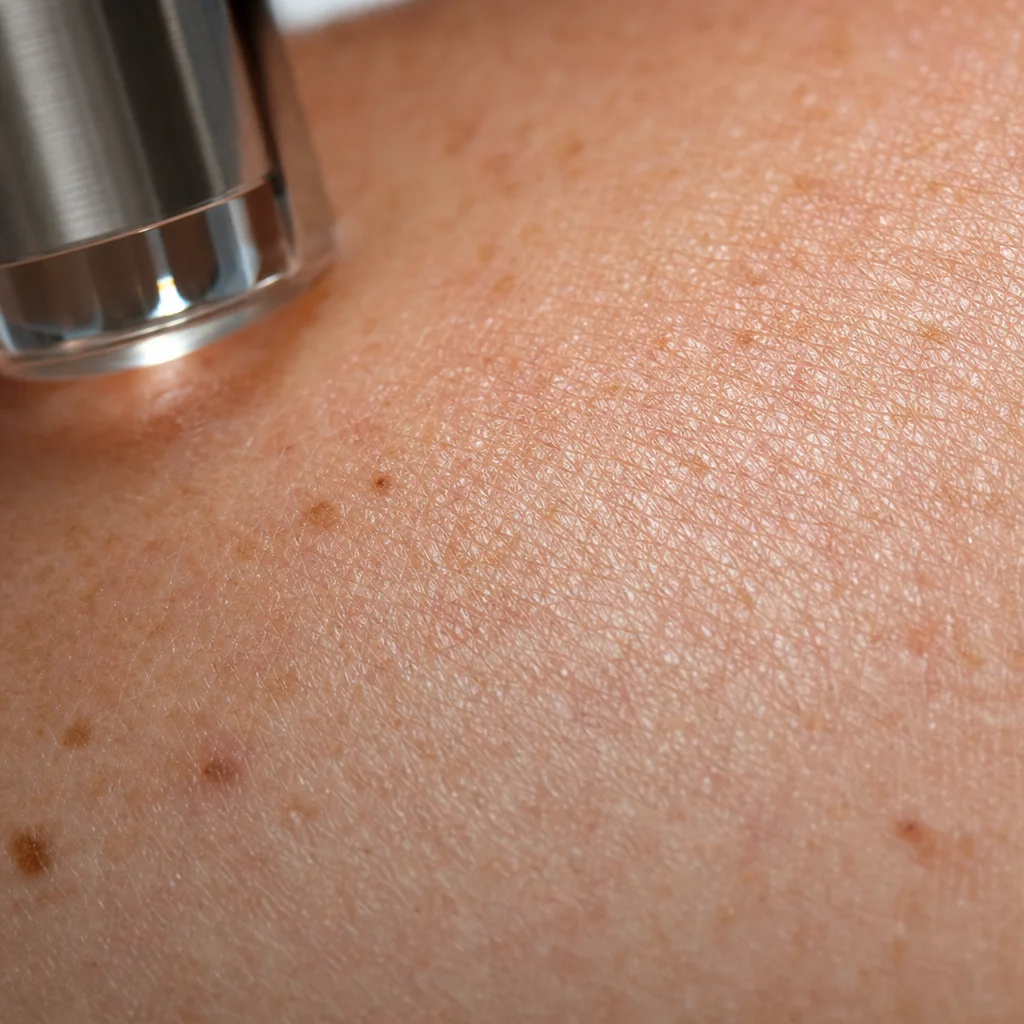
In aesthetic medicine, few marketing tools are more powerful — or more potentially misleading — than before-and-after photography. For tattoo removal, where outcomes are inherently variable and depend on dozens of interacting factors, the visual promise of "look, it disappeared" creates expectations that the treatment cannot always fulfill. A growing body of practitioners and academic dermatologists is calling for standardized photography protocols, while the industry's commercial interests continue to favor the most visually compelling presentations.
The Core Problem With Current Standards
Before-and-after photographs in tattoo removal marketing vary enormously in their clinical validity. Lighting, angle, skin exposure, time elapsed since last treatment, and post-processing all affect how dramatically "before" and "after" appear to differ. A clinic that photographs under harsh overhead lighting in the "before" and soft side lighting in the "after" will produce images that show more apparent improvement than actually occurred. Similarly, photographing the "after" image within 48 hours of a treatment session (when the skin is still acutely reactive) versus six weeks later produces different visual outcomes.
There is no mandatory standard requiring disclosure of these variables in tattoo removal marketing photography. Unlike pharmaceutical advertising, where FDA regulations govern accuracy claims for medical treatments, laser tattoo removal clinics are not subject to the same advertising truthfulness requirements for their visual materials — unless they make specific quantified clinical claims, which most marketing carefully avoids.
What Standardized Photography Looks Like
Academic dermatology departments and clinical researchers have established photography protocols that control for the variables that commercial marketing typically ignores. These include standardized lighting setups (ideally cross-polarized photography that reduces specular reflection from the skin surface), consistent camera position and distance, photography at a consistent interval after treatment (typically four to six weeks post-session), and no post-processing beyond color balance standardization.
Under these controlled conditions, the documented results of laser tattoo removal tend to look less dramatic than commercial marketing photography — not because the treatment is ineffective, but because the controlled images represent the actual biological outcome rather than the most flattering possible visual interpretation of it.
Expectations and Disappointment
The practical consequence of marketing photography that overpromises is a gap between patient expectations and clinical outcomes that damages both patient satisfaction and clinical trust. Practitioners who work in academic and hospital-based settings report that a significant portion of their patient dissatisfaction cases involve patients who experienced objectively good outcomes by clinical standards but who expected more dramatic clearing based on marketing images.
This expectation gap is not just a patient relations problem — it has clinical implications. Disappointed patients may request more sessions than are clinically warranted, may seek higher laser energy settings than their skin can safely tolerate, or may attribute normal treatment progression to clinic negligence. Managing expectations is therefore a clinical task, not just a marketing one, and it begins with how results are represented before treatment starts.
What Patients Should Look For
Savvy patients can take several steps to evaluate before-and-after photography more critically. Consistent lighting and background between before and after images is a basic quality indicator. Disclosure of how many sessions the "after" image represents is important — a stunning result after one session is very unusual, and the absence of session count context makes a result impossible to evaluate. Before-and-after images for ink colors and skin types similar to your own are more predictively relevant than images from demographically different patients.
The most trustworthy practitioners and clinics will discuss realistic expected outcomes in consultation, using your specific tattoo characteristics and skin type as the reference point, rather than relying primarily on best-case marketing images to set expectations.