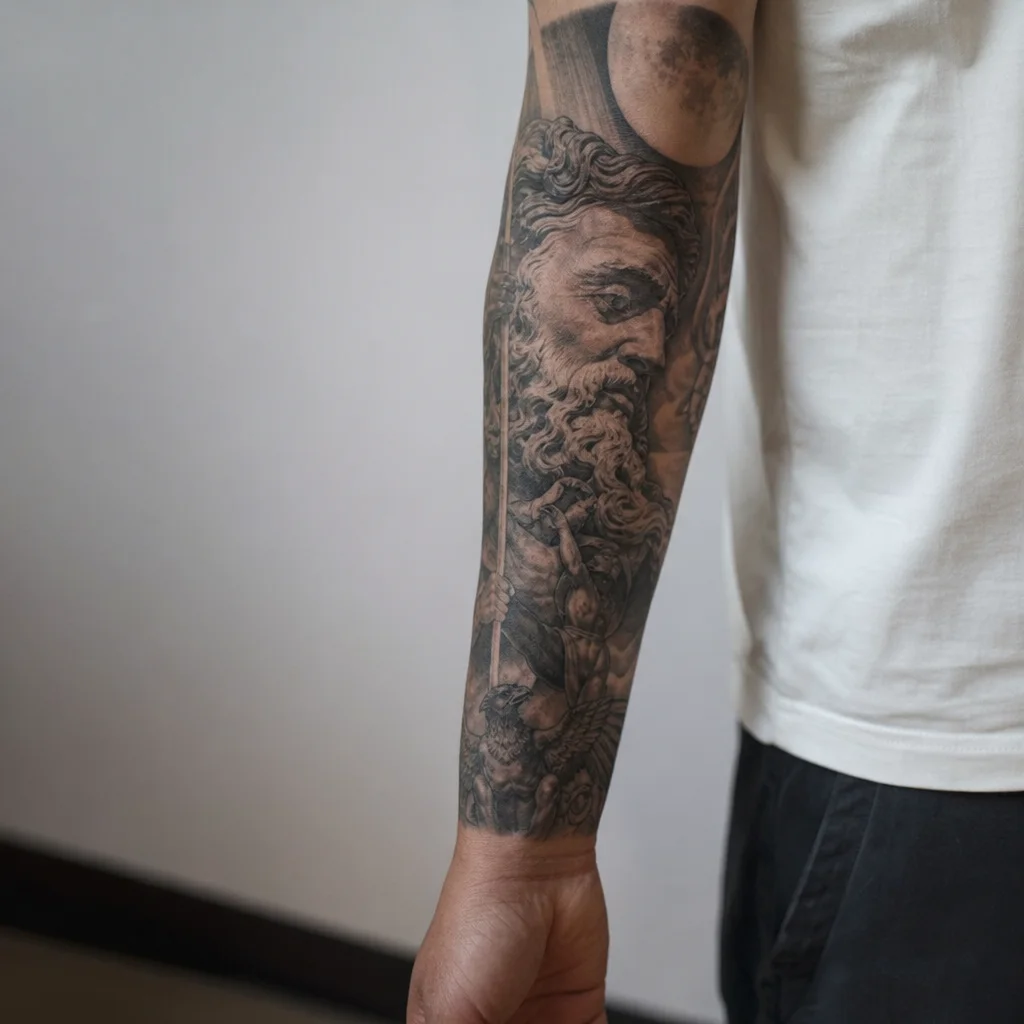
The most common error in tattoo removal planning is treating it as a one-size-fits-all procedure. The correct laser for a black tattoo on fair skin is not the correct laser for a multicolor tattoo on a brown-skinned patient. These decisions — wavelength selection, pulse duration, fluence, spot size — are the clinical variables that determine whether treatment is efficient, safe, and effective or slow, risky, and disappointing. Consumers benefit from understanding the basics of this matching process even if they don't execute it themselves.
Ink Color to Wavelength Mapping
The first matching dimension is ink color to wavelength. The table below summarizes the established clinical guidelines:
Black and dark gray ink: 1064 nm Nd:YAG (both nanosecond and picosecond). Black absorbs broadly — this is the most forgiving pairing.
Red, orange, and warm brown: 532 nm KTP or frequency-doubled Nd:YAG. These colors have strong absorption in the green part of the spectrum, which 532 nm targets.
Green, teal, and turquoise: 755 nm alexandrite. This wavelength range matches the absorption peak of most green pigment compounds.
Blue and dark navy: 694 nm ruby or 755 nm alexandrite, depending on exact shade. Some blue inks respond well to 1064 nm, particularly dark navy.
Yellow and fluorescent colors: The most difficult. Yellow has poor absorption across most laser wavelengths. 532 nm may produce some response, but yellow ink frequently resists removal entirely.
Skin Type and the Safety Constraint
The second matching dimension is skin type. The Fitzpatrick scale (I–VI) categorizes skin from very fair (I) to very dark brown/black (VI) based on melanin content and sun reaction behavior. For laser tattoo removal, Fitzpatrick type matters because melanin is a competing chromophore — it absorbs laser energy and its melanocyte cells can be damaged if the wrong parameters are used.
For Fitzpatrick I–III (fair to medium skin), most wavelengths can be used with standard protocols. The melanin competition is low enough that efficient ink-targeting wavelengths (532 nm, 755 nm) can be applied without unacceptable melanocyte risk at appropriate settings.
For Fitzpatrick IV–VI (medium brown to very dark), 1064 nm is the primary wavelength for dark inks because its low melanin absorption provides the widest safety margin. For colored inks in darker skin, a conservative approach using 755 nm at reduced fluence or specialized protocols is needed — or frank counseling that certain color combinations may be more difficult to address safely.
What to Ask in Consultation
During a pre-treatment consultation, a well-equipped and knowledgeable practitioner should discuss: which wavelengths are available at the facility, how they plan to approach each color in your tattoo, what their experience is with your skin type, what the realistic session count range is for your combination of factors, and what adverse outcome risks are specific to your case. If a practitioner discusses none of these factors and simply quotes a session package, that's a red flag about the depth of individualization you'll receive.