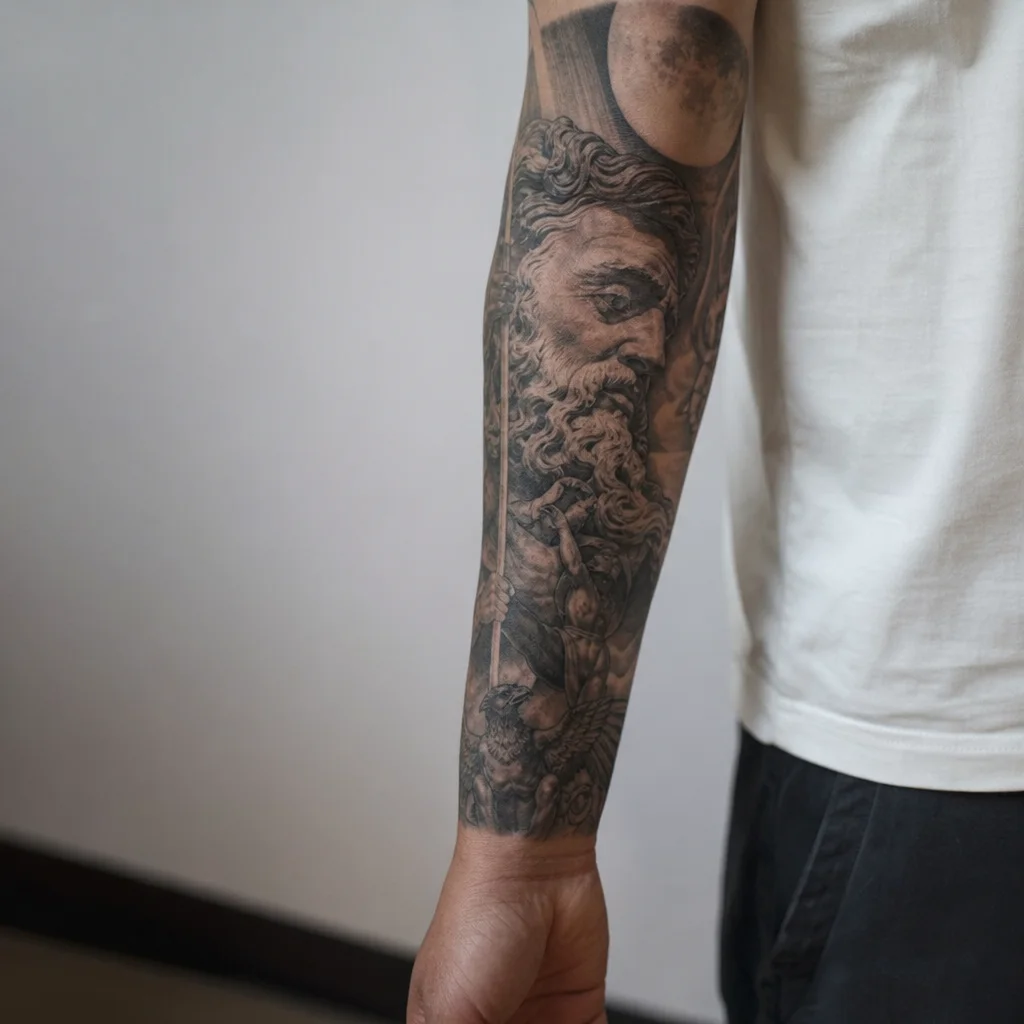
Pain has long been one of the most significant barriers to tattoo removal completion. Patients who start treatment often stop before achieving full clearance because the discomfort — commonly described as a rubber band snapping against sunburned skin, repeatedly — becomes prohibitive over multiple sessions. A new generation of integrated dynamic cooling systems is materially changing this equation, with several clinical practices reporting meaningful improvements in patient retention and satisfaction scores.
How Dynamic Cooling Technology Works
The sensation of pain during laser tattoo removal comes from two sources: the instantaneous thermal shock as the laser pulse heats and shatters ink particles, and the broader heating of surrounding skin tissue. Traditional pain management relied on topical anesthetic creams applied 30 to 60 minutes before treatment and, in some cases, intradermal lidocaine injections for sensitive areas.
Dynamic cooling systems work on a different principle. They deliver a precisely timed cryogen spray — typically tetrafluoroethane — directly onto the skin surface milliseconds before each laser pulse. This cools the epidermis to near-freezing temperatures in the treatment zone, dramatically reducing the thermal sensation while the laser pulse does its work below. Some systems also deliver a short cooling burst after the pulse to reduce the post-pulse heat sensation.
The cooling is synchronized with the laser's firing rate, meaning it works in near-real time rather than relying on a pre-applied analgesic that may wear off unevenly. The result, according to practitioners who have adopted the technology, is a treatment that patients describe as "cold with a snap" rather than the burning pain of earlier treatment experiences.
What the Data Show
A prospective patient satisfaction study conducted at a multisite dermatology practice found that patients receiving treatment with integrated dynamic cooling rated their average pain as 3.2 out of 10 on a validated pain scale, compared to 6.1 out of 10 for patients treated with topical anesthetic alone, a statistically significant difference. Treatment completion rates over a full six-session course were 78 percent in the cooling group versus 61 percent in the topical-only group.
The study was small and conducted at sites with a financial interest in the technology, limitations that the authors acknowledged. But the directional findings align with the patient experience reports that dermatologists and aesthetic practitioners have described anecdotally, and the mechanism is well-supported by the known physics of skin thermal response.
Limitations and Caveats
Dynamic cooling is not universally available. The technology is integrated into certain picosecond and Q-switched laser platforms but not all, meaning patients interested in benefiting from it should ask specifically whether their clinic's device includes integrated cooling rather than assuming it.
Some skin types, particularly darker Fitzpatrick skin types, require careful calibration of cooling parameters. Aggressive surface cooling can affect the skin's overall thermal response and, if not properly balanced with the laser parameters, may either reduce efficacy or, in rare cases, cause superficial cold injury.
Finally, cooling technology does not eliminate pain entirely. Areas with dense, multi-color, or deeply deposited ink, as well as bony areas like ribs, ankles, and feet, remain more uncomfortable than fleshy areas regardless of cooling.