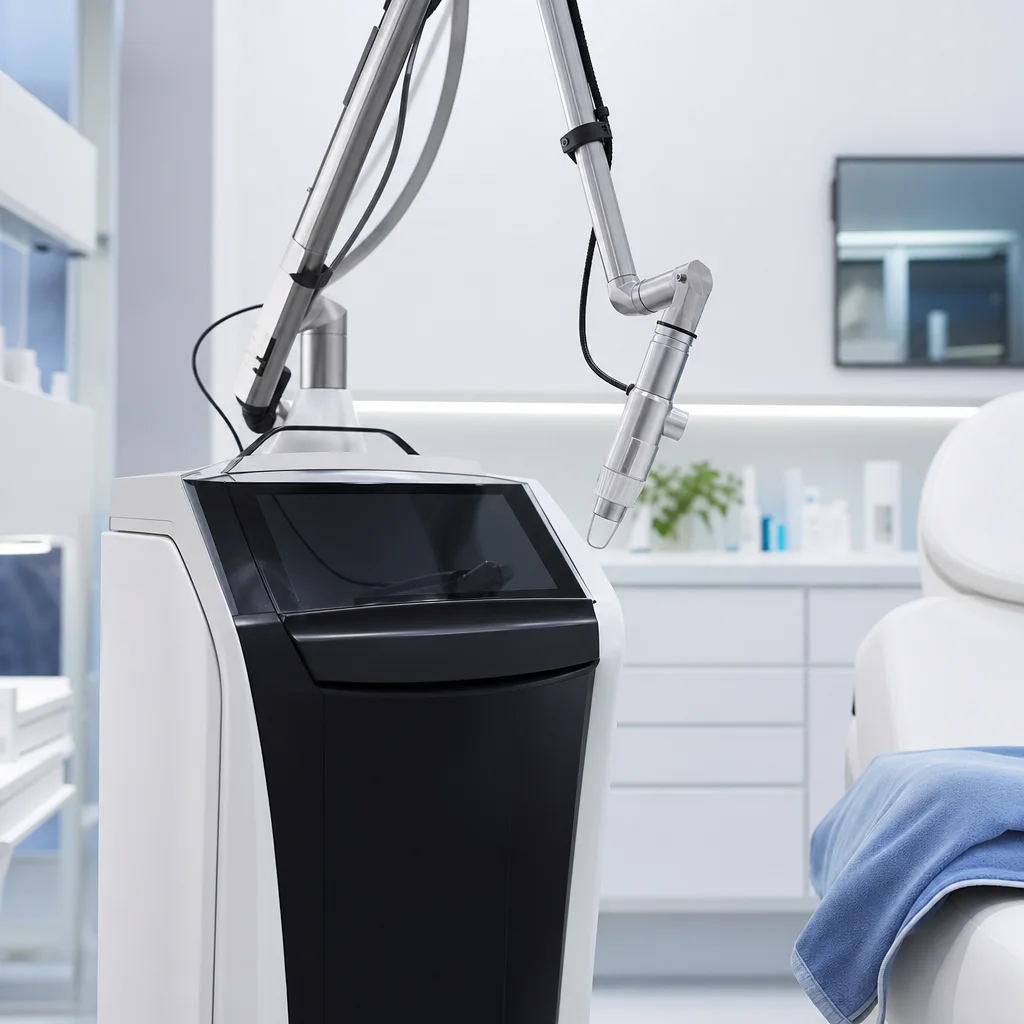
The tattoo removal consultation represents an underutilized touchpoint for skin cancer prevention and detection. Patients presenting for tattoo removal are often young to middle-aged adults who may have limited engagement with dermatological care otherwise — yet they arrive for a procedure requiring comprehensive skin examination of the treatment area. This creates a natural clinical opportunity that forward-thinking dermatology practices have begun to formalize as part of their consultation protocol.
Several dermatological studies have quantified the incidence of incidentally detected skin lesions during tattoo removal consultations. A 2023 prospective study conducted at a university dermatology clinic examined 412 consecutive tattoo removal consultation patients with full-body skin examination. The results were notable: 28% of patients had one or more clinically suspicious pigmented lesions identified, 6.2% required biopsy, and 0.7% (3 patients) were diagnosed with melanoma in situ. None of these patients had presented with skin concerns — all had come solely for tattoo removal. One melanoma in situ was actually located beneath a tattoo, where it had been visually obscured, highlighting a specific diagnostic challenge of tattooed skin.
The diagnostic challenge of evaluating pigmented lesions within or adjacent to tattooed skin has been recognized in dermatology literature for decades. Blue-black tattoo pigment can closely mimic the dermatoscopic appearance of melanocytic lesions, leading to both false positives (unnecessary biopsy of benign tattoo fragments) and false negatives (missing melanoma beneath tattoo pigment). Modern reflectance confocal microscopy (RCM) and optical coherence tomography (OCT) offer non-invasive imaging modalities that can differentiate exogenous tattoo pigment from endogenous melanocytic structures, though their integration into routine tattoo consultation practice remains limited by cost and availability.
The population demographics of tattoo removal patients align well with melanoma risk profiles in ways that strengthen the public health case for integrated skin cancer screening. Approximately 62% of tattoo removal patients are between 18 and 40 years of age — overlapping substantially with the age range at which melanoma incidence begins climbing. Tattoo prevalence is highest in populations with greater recreational sun exposure (young adults, beach communities, outdoor workers), and the most commonly tattooed body sites (arms, shoulders, back) overlap with high-risk sun exposure zones. A practice that structures tattoo consultations to include brief total body skin examination with targeted dermatoscopy of suspicious lesions can meaningfully contribute to early melanoma detection at a population level.
From a practical implementation standpoint, integrating skin cancer screening into tattoo removal consultations requires minimal incremental time — an estimated 5–8 additional minutes for a structured total body skin examination with handheld dermatoscope. Patient acceptance is high: a survey of 200 tattoo removal patients found that 94% considered skin cancer screening at their tattoo consultation appropriate and welcome, with 78% reporting they had not had a full skin examination in the preceding two years. This data supports the positioning of tattoo removal practices — particularly those operating in non-traditional medical settings like medical spas — as genuine public health assets when appropriately staffed and trained.
The integration of AI-assisted dermatoscopy — using validated algorithms to flag potentially malignant lesions for physician review — makes comprehensive skin examination increasingly accessible in non-academic settings. Several devices now provide real-time algorithmic scoring of dermatoscopic images with sensitivity for melanoma detection exceeding 90% in independent validation studies. Embedding these tools in tattoo removal consultation workflows represents a practical pathway for practices lacking on-site dermatologists to appropriately triage concerning lesions for specialist referral without requiring extensive provider training in advanced dermoscopy interpretation.
The ethical and medicolegal dimensions of incidentally detected skin pathology during tattoo removal consultations require attention. Practitioners have a duty to disclose clinically relevant findings discovered during examination, and this extends to suspicious skin lesions even when not the primary purpose of the visit. Clear documentation of findings, patient notification, and referral pathways should be established as practice protocols before implementing routine skin examination — protecting both patients and practitioners within a framework of standard of care.