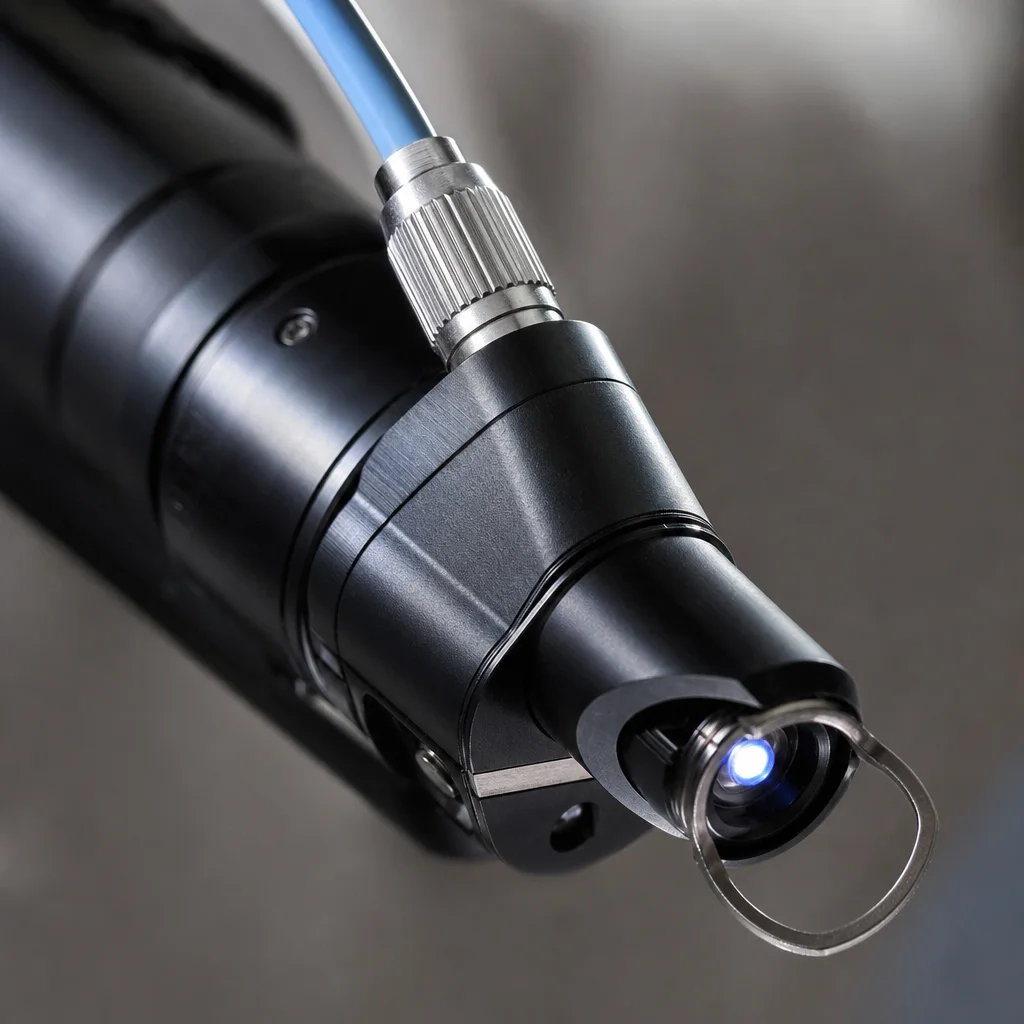
Laser tattoo removal is fundamentally a dosimetry problem: how much energy at which wavelength for how long, adjusted for ink type, ink depth, skin tone, and the patient's biological response to previous sessions. Human practitioners make these judgments based on training and experience, but the parameter space is genuinely complex and the expert knowledge is unevenly distributed across the field. Artificial intelligence systems trained on large datasets of tattoo removal outcomes are beginning to address this complexity in ways that could improve consistency and personalize treatment in previously impractical ways.
How AI Treatment Planning Works
The systems emerging from dermatology technology startups and established device manufacturers typically work by analyzing standardized photographs of the tattoo and patient skin using computer vision models trained on labeled case libraries. The systems extract features — ink density, color composition, estimated depth from optical characteristics, skin type classification using Fitzpatrick scale approximation from image data — and combine them with practitioner-entered clinical data to generate treatment parameter recommendations and predicted session count ranges.
The most sophisticated systems also incorporate session-to-session outcome tracking, using changes between treatment images to refine parameter recommendations over the course of treatment. If a patient's skin is responding more or less aggressively than predicted after two sessions, the system adjusts its recommendations for the next session accordingly.
What the Evidence Shows So Far
Published validation studies for AI tattoo removal planning systems are limited but directionally encouraging. A pilot study at a dermatology academic center found that AI-recommended parameters were rated by expert practitioners as "reasonable" or "optimal" in approximately 80 percent of cases, compared to 65 percent for parameters recommended by trainees — suggesting the systems may help flatten the expertise distribution between novice and experienced practitioners.
More compelling is early data suggesting that AI-guided treatment plans achieve comparable clearance rates to experienced practitioner judgment in approximately the same number of sessions, which matters for the 40 percent or so of removal sessions that are administered by technicians or early-career practitioners with limited independent case experience.
Limitations and Concerns
The same limitations that apply to medical AI broadly apply here. Training data biases — particularly under-representation of darker skin types in many case libraries — can produce systems that recommend parameters appropriate for lighter skin while poorly calibrating for the more conservative approach needed in darker skin types. Practitioners and clinic operators evaluating AI planning tools should ask explicitly about the demographic composition of the training data and how the system performs across the Fitzpatrick scale.
There is also the broader concern about over-reliance on algorithmic recommendations in situations that genuinely require human clinical judgment. AI systems work best as decision support tools that augment practitioner expertise, not as autonomous treatment planners. The practitioner remains responsible for the treatment decision and must have the expertise to recognize when a recommendation is wrong for the specific patient in front of them.